Probate and Intestacy
Dealing with the estate of someone who has died can often feel overwhelming, particularly at a time when you may be grieving and trying to come to terms with the loss of a loved one.
I can help you with the legal aspects of administering the estate, whether you just need help with one particular aspect (such as obtaining a Grant of Representation or checking Inheritance Tax forms) or would prefer for me to deal with everything for you.
First steps after someone has died
The first thing you will need to do is register the death, usually by making an appointment with the registrar in the area where the death took place.
You will also need to appoint a funeral director, and arrange the funeral. If there is a Will, do check to see whether this sets out any wishes about the funeral, and it may also refer to any pre-paid plan that the deceased may have taken out. The costs of the funeral can be paid from the deceased's bank account, and you can find more information about that in my funeral expenses guide here.
Once the immediate arrangements have been addressed, the legal and financial aspects can be considered.
Who deals with the estate?
The Personal Representative(s) will be legally responsible for dealing with the estate of the deceased person.
However, they do not have to do this alone, and are entitled to instruct a solicitor to help them if they wish, with the costs of that assistance being payable from the estate.
If there is a Will then this would usually appoint one or more people as Executors.
If the deceased has not made a Will then the laws of intestacy determine not only who inherits the estate but who is entitled to administer it.
The Administrator on intestacy, or the Executor appointed under the Will, will often be referred to as the 'Personal Representative'.
What is involved in administering an estate?
Every estate is different, and the steps involved will vary depending on the value and the circumstances, but these often include:
• locating the most recent Will
• identifying the beneficiaries
• establishing the full extent of the deceased's assets and liabilities
• determining whether Inheritance Tax is payable
• applying for a Grant of Probate or Letters of Administration
• dealing with the deceased's pre-death and post-death income tax affairs
• collecting in the assets
• paying liabilities
• considering whether there might be any claims against the estate
• preparing estate accounts
• distributing the estate to the beneficiaries
What is a Grant of Representation?
The Personal Representative(s) will need to ascertain the value of the estate to determine whether or not there is Inheritance Tax payable. They will also need to establish whether or not a Grant of Representation is required.
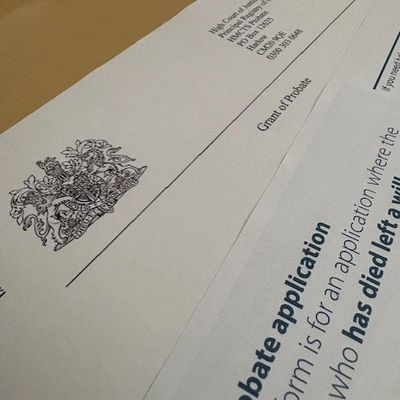
The Grant of Representation is a legal document issued by the Court, confirming the Personal Representative's legal authority to administer the estate.
If there is a Will, then usually the Executors will be able to apply for a Grant of Probate, and if there is no Will then those entitled on intestacy can apply for a Grant of Letters of Administration.
If the deceased's estate is small, or everything is held jointly, then it might be that no Grant of Representation is required. Each bank and other financial institution sets its own limits over which it will require a Grant to be obtained. This may differ depending on whether or not there is a Will, as Executors have legal authority from the date of death whereas Administrators of an intestate estate derive their authority from the Grant.
In most cases a Grant will be required so that the Personal Representatives can collect in the deceased's estate. If you need any help deciding whether or not a Grant is needed then do feel free to get in touch.
The process for obtaining the Grant varies depending on whether or not there is a Will, and who is applying, and I have written a separate guide about that here.
Inheritance Tax
If there is Inheritance Tax payable, or if the estate does not qualify as an 'excepted estate', the Personal Representatives will need to complete an Inheritance Tax Account (IHT400) for HMRC. The IHT400 will report the assets and liabilities of the estate in detail, and will often need to include information about lifetime gifts, trusts, and any tax allowances and exemptions being claimed.
If Inheritance Tax is due then some or all of that will need to be paid on making the application for the Grant. However, the tax attributable to certain assets (such as properties and agricultural and business assets) can usually be paid in instalments.
Working out whether or not Inheritance Tax is payable can be quite complex, and sometimes the rules operate in ways that aren't immediately obvious to Personal Representatives. You can find my guide to Inheritance Tax here.
I can provide advice on this aspect of the estate, and am able to check IHT forms completed by the Personal Representatives personally to ensure that the estate is being reported correctly and relevant exemptions are being claimed.
What happens after the Grant has been obtained?
Once the Grant has been issued, the Personal Representatives will need to submit this to the banks and other financial institutions and arrange to collect in the various assets.
At this point the sale of any property in the estate can be completed, or it can be assented or transferred to the beneficiaries.
The Personal Representatives must ensure that all liabilities are paid.
It is advisable to consider carrying out an Asset and Liability Search and also placing 'Trustee Act Notices' to ensure that all liabilities are located, as the Personal Representatives can find themselves personally liable for payment of any liabilities that are missed.
Any legacies in the Will should usually be paid as soon as funds are available, so long as they are not required to meet any liabilities or expenses, and should normally be paid within one year of the death. Where this isn't possible then statutory interest should be paid to those entitled.
Any income arising during the administration period may need to be reported to HMRC, depending on the status of the estate and the amount of income received. There may also be Capital Gains tax due, for example on the sale of the house or shares.
Only once all assets have been collected, and all liabilities including taxes have been paid, should the estate be finalised and the proceeds paid to the beneficiaries. The Residuary Beneficiaries should be provided with Estate Accounts detailing the assets, liabilities, expenses, and income of the estate.
Help with Probate and Intestacy
I can assist with as much or as little of the process as you need.
You may simply want a one-off meeting to understand what needs to be done, so that you can confidently deal with the estate yourself.
Alternatively, if you prefer to use my 'Full Administration' service, I can deal with everything for you, from contacting the financial institutions for probate values through to preparing Estate Accounts and distributing the estate.
I can also offer a 'Grant Only' service, where you provide me with the necessary information and then I prepare the IHT forms (if required) and obtain the Grant for you. Once the Grant has been issued you can then deal with the administration of the estate yourself, or I can help you with certain aspects if you wish.
Solicitors' Fees for Probate and Intestacy
Many solicitors charge for Probate services on the basis of an hourly rate, and some firms will also add on an extra charge based on the value of the estate. I don't.
Once I know what is involved, I will give you a fixed-fee quotation for the work required, whether you need a Grant Only application, assistance with certain aspects, or full Probate administration.
You can see my starting fixed-fees for Probate and Intestacy services here.
Why instruct me
I am a qualified solicitor, with almost 25 years' post-qualified experience dealing with Probate and Intestacy. I am also a full member of The Society of Trust and Estate Practitioners (STEP), so you can be confident that the estate is being dealt with by someone who specialises in this area of law.
I provide Probate, Intestacy and estate administration services, face-to-face in your own home, for clients in Diss, Long Stratton, Harleston, Eye and the surrounding areas of South Norfolk and North Suffolk. I can also provide virtual services throughout England and Wales.
If you would like any help dealing with an estate, or have any questions, simply call me for a free chat on 01379 450124, WhatsApp or text me on 07835 518226, email me on emma@emmatrick.co.uk, complete a free online enquiry or book an initial call here.